
The cost of an overland route is not shaped only by daily expenses. It is shaped by the route itself: distance, terrain, fuel availability, borders, ferries, accommodation gaps, vehicle limits, route breaks and uncertainty.
A short route can become expensive if it includes vehicle shipping, permits, ferry crossings or long detours around closed borders. A longer route can sometimes cost less if roads are continuous, fuel is easy to find and borders are simple.
This is why overland budgeting is different from ordinary travel budgeting. It is not only about cheap hotels or daily spending. It is about estimating the real cost of moving through the whole route system. This becomes especially important on long-distance routes, where distance, terrain, borders, water gaps and vehicle continuity all shape the budget before the journey begins.
Table of Contents
Why Overland Route Costs Are Different From Normal Travel Costs
Normal travel budgeting often starts with flights, hotels, food and attractions. Overland route budgeting starts with movement. Before the budget can be estimated, the route itself has to be structured as an overland route plan: where movement begins, where it continues, where it breaks, and what each section requires.
The main cost is not only where you sleep or what you eat, but how the route allows you to move. Distance, road conditions, terrain, vehicle type and fuel consumption all shape the basic cost. Borders, visas, permits, ferries, sea gaps, maintenance, repairs and route interruptions add other layers.
This is why two routes of the same length can have very different budgets. A paved corridor with simple borders and regular fuel is not the same as a mountain road with detours, restricted areas, ferry crossings and long distances between services.
In overland travel, the route creates the cost structure.
Distance, Fuel and Movement Costs
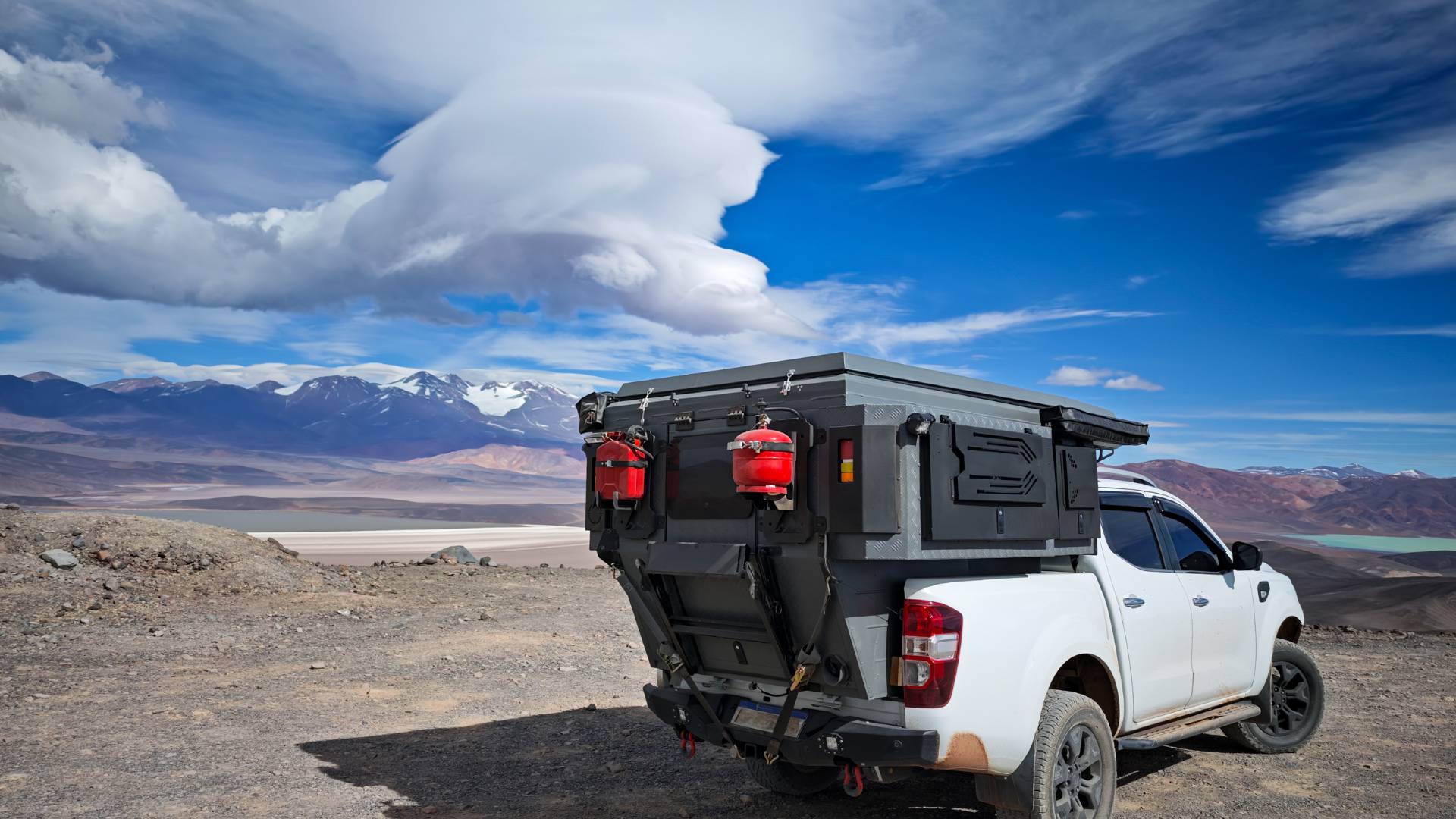
Fuel is usually the most visible overland cost, but it is only the first layer. The basic estimate starts with total distance, fuel consumption and the fuel prices in each country along the route.
Even this simple layer can change quickly. Mountain roads, bad surfaces, city traffic, long detours and slow off-road sections can increase consumption. Open highways may be easier to estimate, while remote roads often bring more uncertainty, especially where fuel stations are far apart or fuel quality is uneven.
For the basic fuel layer, JBH has a free Overland Route Fuel Calculator that helps estimate distance, consumption, fuel price and total fuel cost. It does not solve the whole route budget, but it gives a clear starting point before adding ferries, borders, accommodation, repairs and other route costs.
Roads, Tolls, Ferries and Paid Movement Segments
Not all distance costs the same. A hundred kilometers on an open road is not equal to a hundred kilometers through mountains, islands, river crossings or heavily tolled highways.
Some routes include predictable costs such as highway tolls, bridges, tunnels or paid road sections. Others include ferries across rivers, lakes or sea gaps, protected-area access fees, mountain roads with slower movement, or unavoidable local transport where private vehicles cannot continue.
These costs often appear where geography interrupts simple movement. A river needs a bridge or ferry. A mountain range may force a tunnel, pass road or long detour. An island chain may require several crossings. A protected landscape may limit access or require entrance fees.
For this reason, a route budget should not count only kilometers. It should also identify the paid segments where the route becomes more complex than simple road movement.
Vehicle Shipping, Sea Gaps and Route Breaks
Some overland routes eventually reach water. A river, lake, sea, strait or island chain can turn a continuous road journey into a transport problem. A good example is a west-to-east crossing of New Guinea, where roads, rivers, coastal boats and vehicle shipping repeatedly replace one another as the route progresses across the island. For a wider look at how routes continue across both land and water, see this guide to crossing land and water independently.
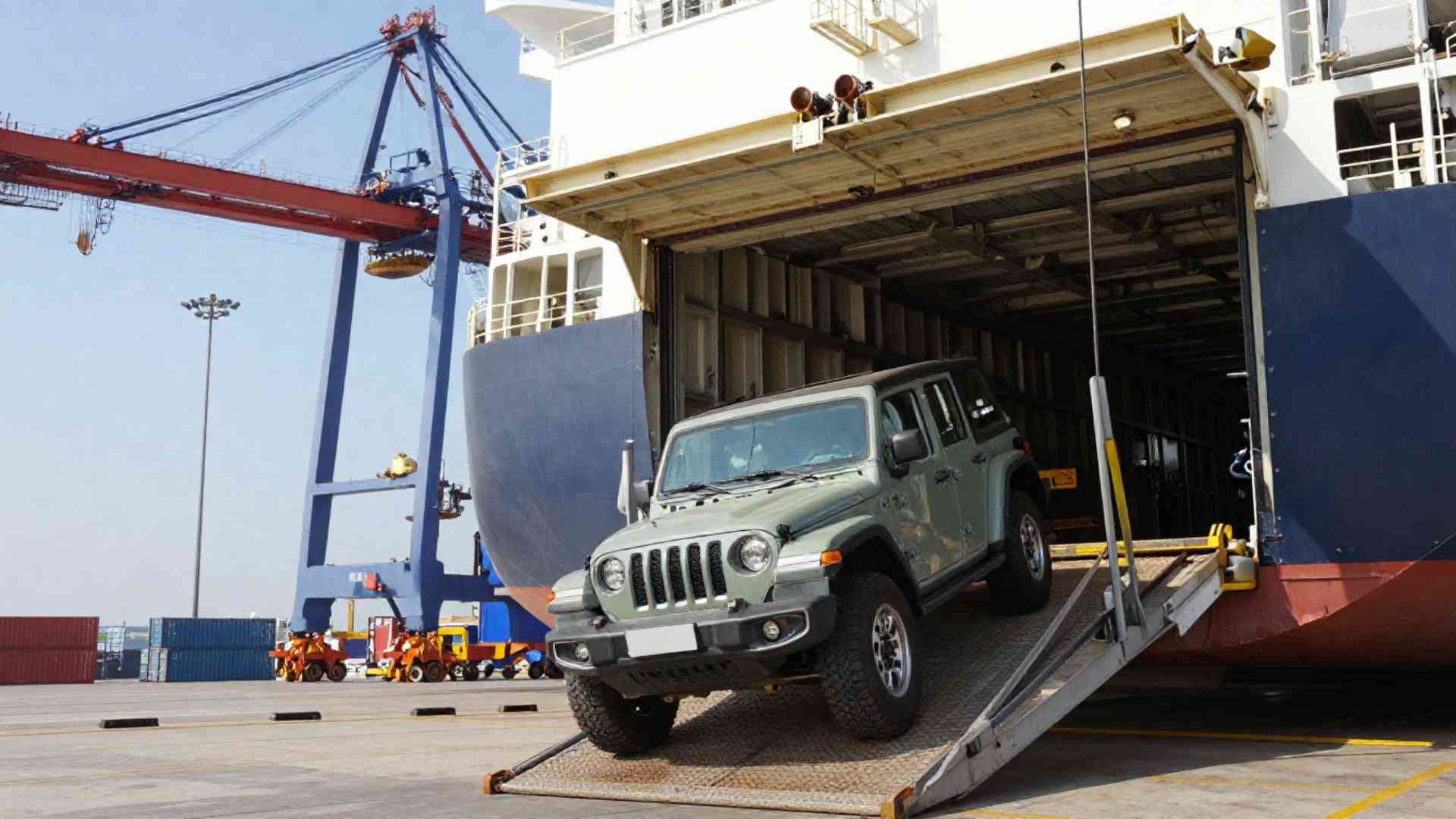
If a regular ferry exists, the cost may be simple to estimate. But if there is no ferry, or if private vehicles are not accepted, the route may require cargo transport, RoRo shipping, container shipping, a private boat arrangement, or a complete change of route. In these cases, the cost is no longer just fuel and distance. The route has reached a break in movement. For routes where the traveler continues across water without flying, independent sea travel by boat becomes part of the wider route-continuity problem.
Vehicle shipping can become one of the largest costs in an overland journey. It may also add port fees, paperwork, waiting time, insurance questions, storage costs and extra accommodation while the vehicle is in transit. At the Darién Gap, these costs arise together because the traveller must bypass the missing road between Panama and Colombia while the vehicle is transferred separately through the freight system.
This is why sea gaps and route breaks should be identified early. They are not minor details at the end of a route plan. They can decide whether the whole route remains affordable, whether the vehicle can continue, or whether another transport strategy is needed.
Accommodation, Camping and Shelter Choices
Accommodation cost is not only a choice between hotels and camping. On a long overland route, sleeping options depend on terrain, weather, safety, local rules and how close the route is to towns or settlements.
Hotels and guesthouses may be necessary in cities, border towns, bad weather, or places where camping is not realistic. Paid campsites can reduce costs while still offering water, toilets, security or a legal place to stay. Community-based overland resources such as iOverlander can also help identify campsites, parking spots and traveler-reported services along a route. Sleeping in the vehicle may work on some routes, but only where parking is safe and the vehicle can stop without creating problems.
Wild camping can reduce accommodation costs, but only when the terrain, law, safety situation and shelter system allow it. A flat place on the map may be private land, a riverbed, a windy exposed slope or an unsafe roadside. Forest, desert, mountains, wet tropics and settled farmland all create different shelter decisions.
For a deeper look at tents, bivy sacks, tarps, hammocks, vehicle-based shelter and campsite safety, see this guide to overnight shelter systems for overland, backpacking and remote travel.
Sleeping cheaply is possible only when the route allows it. Accommodation cost is therefore not just a daily expense. It is part of the wider route system. Access to electricity can create another accommodation cost. Travellers using laptops, phones, cameras or navigation devices may need a powered campsite or hotel when solar and vehicle charging cannot cover their consumption, so it is useful to calculate off-grid working time and charging intervals before estimating the complete route budget.
Food, Water and Resupply Costs
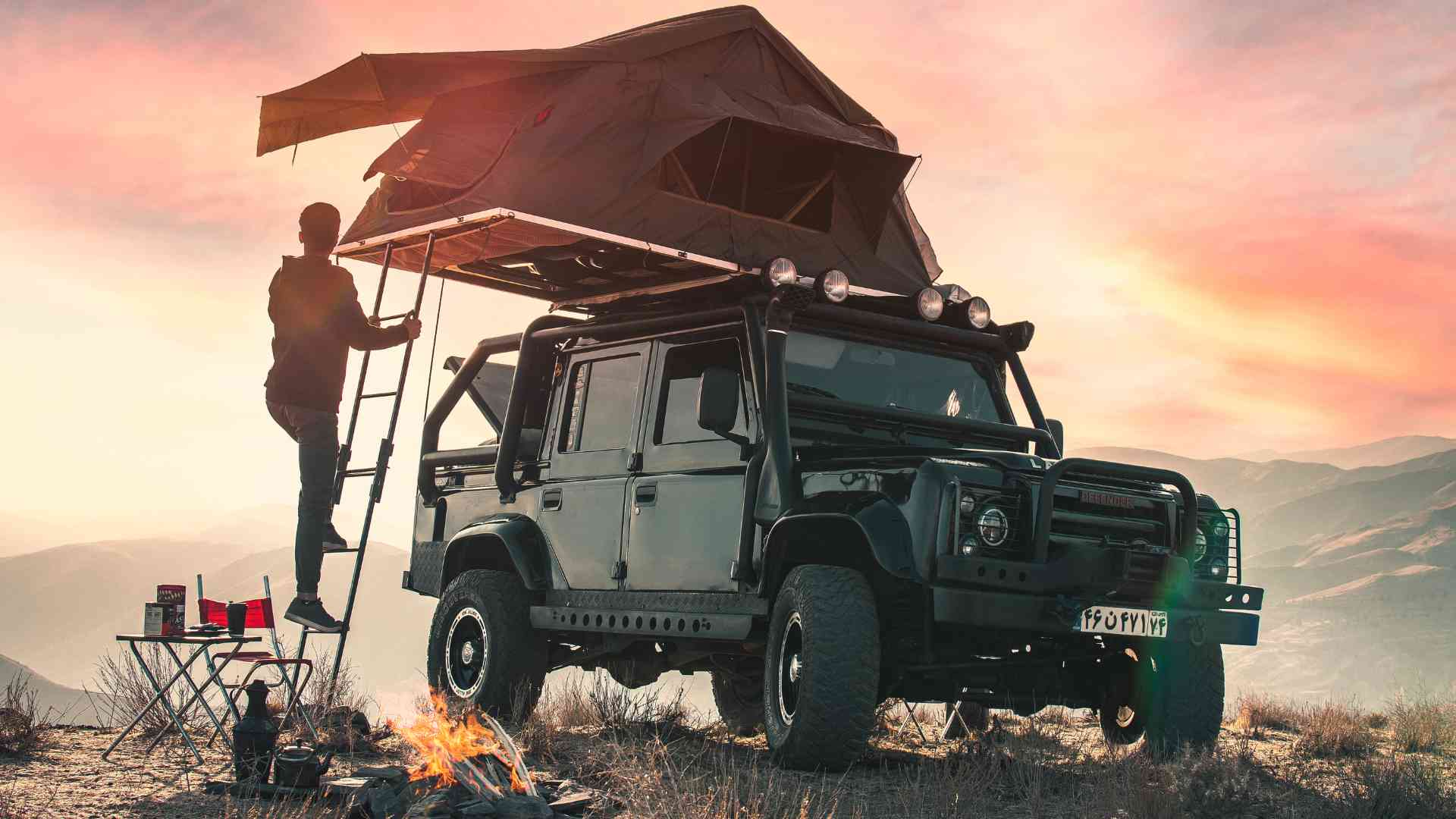
Food and water costs also depend on the route. In cities and towns, resupply is usually simple: shops, markets, restaurants and drinking water are easier to find. In remote stretches, the same daily needs can become more expensive and more complicated.
Cooking may reduce costs, but it requires space, fuel, water and time. Restaurants may be cheaper and easier in some regions, but expensive or unavailable in others. On mountain roads, desert crossings, island routes or long rural sections, food may have to be bought in advance and carried for several days.
Water has its own cost layer. In some places it can be refilled easily, while in others it must be bought, filtered, treated or carried in larger quantities. This becomes especially important in hot, dry, high-altitude or remote terrain.
Resupply should therefore be estimated by route segment, not only by daily food budget. A cheap country can still become expensive on a remote section if supplies are limited, transport is difficult, or food and water have to be prepared before entering the next part of the route.
Borders, Visas, Permits and Administrative Costs
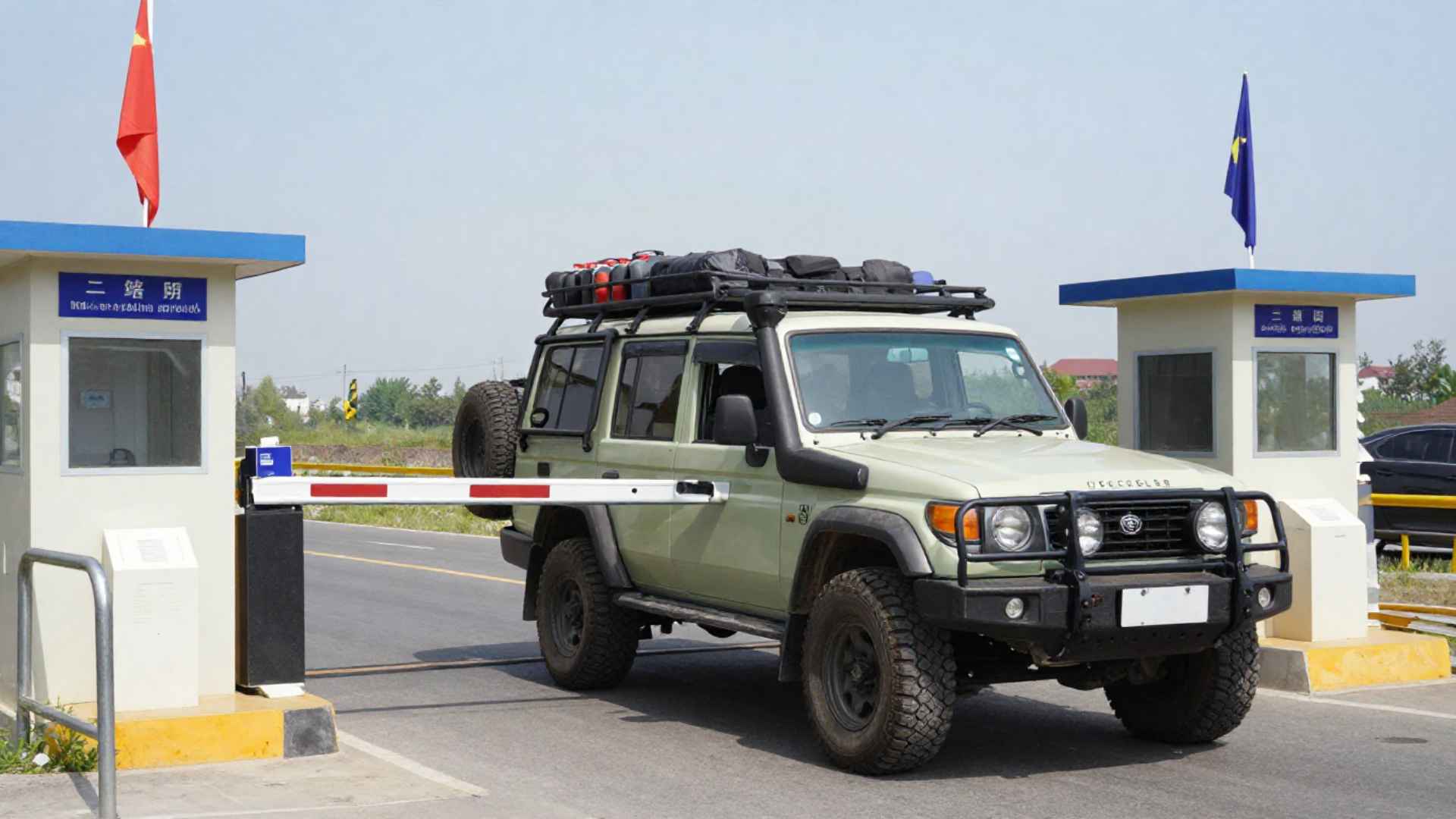
Borders are not only lines on the map. For an overland route, they are cost points where movement can slow down, change direction or become more complicated.
The basic costs may include visas, entry fees, vehicle insurance, customs procedures, temporary import documents, road taxes or local permits. Personal travel or medical insurance is another separate cost layer, especially on routes that cross several countries or include remote regions. In restricted regions, the cost can be much higher if a guide, organized tour, special permit or official vehicle arrangement is required.
Border delays can also create indirect costs. A slow crossing may require an extra night near the border. A closed border may force a long detour. A permit that takes several days may add accommodation, food and waiting costs before the route can continue.
These administrative costs are difficult to estimate perfectly in advance, and they change by country and region. Official country travel advice can help check entry requirements, safety issues and legal differences before building the final route budget. But they should not be ignored. In some routes, borders and permits are minor details. In others, they become one of the main cost layers of the whole journey.
Maintenance, Repairs and Vehicle Risk Buffer
Vehicle travel creates hidden costs that are easy to underestimate. Fuel is visible every day, but wear, damage and repairs often appear later, especially on long routes, bad roads or remote sections.
Regular maintenance, oil, fluids, tires and spare parts should be part of the route budget. Rough roads, mountain tracks, corrugations, mud, sand or long distances between workshops can increase the risk. Even a small mechanical issue can become expensive if the nearest repair place is far away.
Repairs also create indirect costs. A vehicle waiting in a workshop may add extra accommodation, food, transport and lost days. In remote areas, recovery or towing can cost more than the repair itself.
For this reason, an overland route budget should include a repair and maintenance buffer. It does not have to predict every problem, but it should leave enough space for the vehicle to remain part of the route instead of becoming the reason the route stops.
Storage, Return Transport and Interrupted Routes
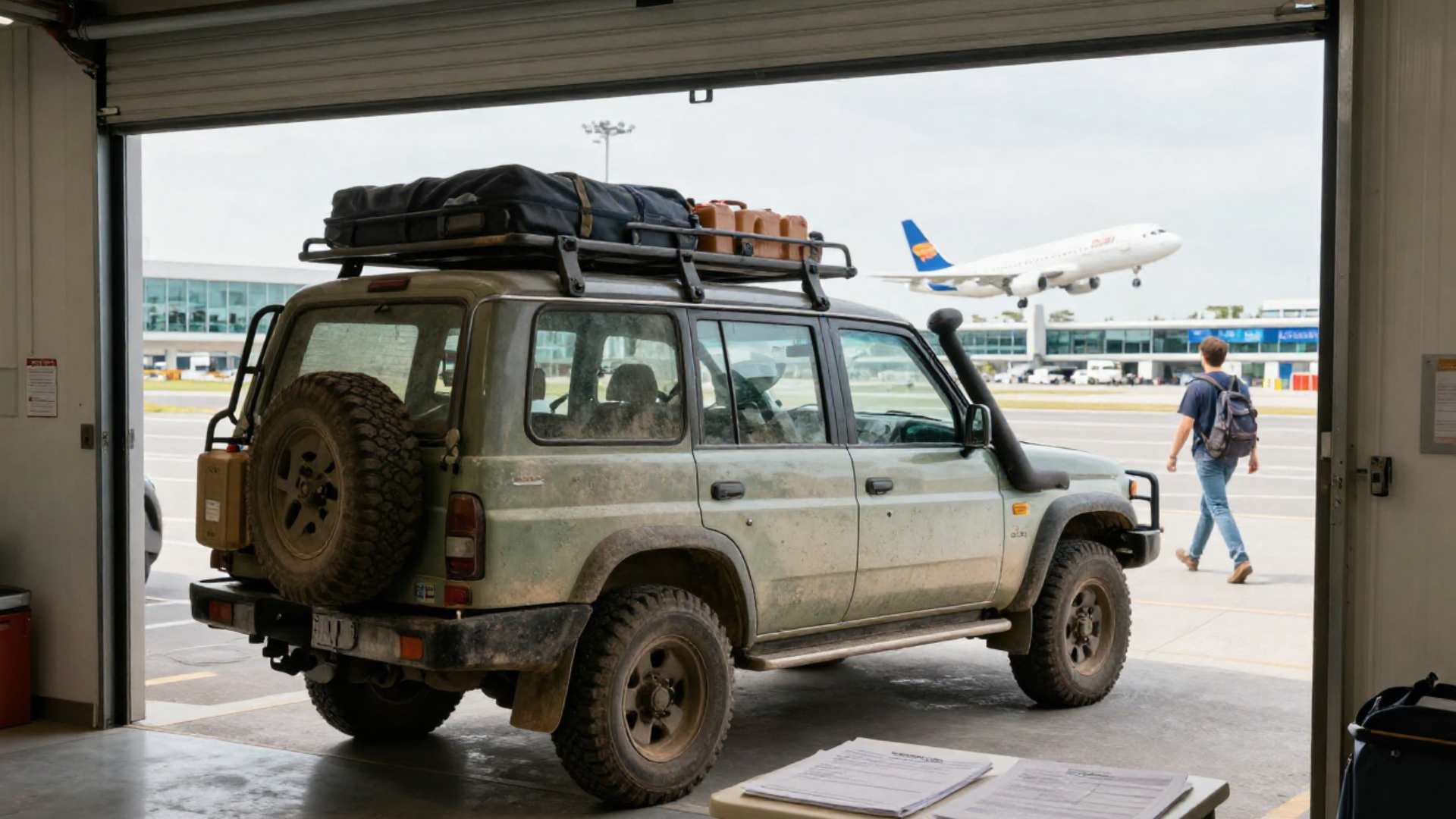
Not every overland route is completed in one continuous journey. This is common in segmented cross-continental travel, where a long route is divided into separate stages over several trips. Sometimes the route has to pause while the vehicle stays behind: between expedition stages, during a seasonal break, after a border problem, or when the traveler has to return home.
This creates another cost layer. The vehicle may need paid storage, a safe parking place, a garage, or a trusted local contact. The traveler may also need return transport by plane, train, bus or another vehicle, and later another journey back to the stored vehicle. In some cases, renting a car for a shorter return, side route or replacement section can also become part of the route budget.
The legal status of the vehicle can also affect the budget. Temporary import rules, insurance, registration, customs limits or local parking conditions may create extra costs or force a shorter storage period than expected.
Interrupted routes are therefore not free pauses. They can add storage fees, return transport, extra accommodation, local help and administrative uncertainty. On long one-way routes with private transport, this can become one of the most important budget questions before the journey begins.
People Count: Solo, Couple, Family or Group
The number of people changes the route budget, but not every cost scales in the same way. Some costs are shared, while others increase with every traveler.
Fuel, tolls, vehicle storage and sometimes vehicle shipping can be divided between several people. A couple or small group may therefore pay less per person for the same vehicle route than a solo traveler. Repairs and maintenance also belong mostly to the vehicle, not to each person separately.
Other costs scale more directly. Food, visas, permits, insurance, entrance fees and public transport usually increase with every traveler. Accommodation is mixed: one room may work for two people, but a larger group may need more space, extra rooms or a different type of lodging.
This is why a route budget should separate total route cost from cost per person. The same journey can look expensive as a solo trip but much more reasonable when some vehicle costs are shared.
Per Day, Per Kilometer and Per Route Segment Thinking
A useful overland budget should not rely on only one type of calculation. Daily cost is important, but it does not explain the whole route.
Per-day thinking works well for food, accommodation, local transport and small regular expenses. It shows how much the journey costs while time passes.
Per-kilometer thinking is better for vehicle movement. Fuel, tire wear, maintenance and some mechanical risks are connected more closely to distance than to the number of days on the road.
Per-segment thinking is needed for the parts of the route that do not behave like normal daily travel. Borders, ferries, permits, vehicle shipping, difficult mountain areas, remote stretches and route breaks may create large costs in one specific place.
A serious route estimate needs all three. The daily budget shows the rhythm of the journey, the kilometer budget shows the cost of movement, and the segment budget shows where the route itself becomes expensive.
Scenario Planning: Cheap Route, Realistic Route and Expensive Route
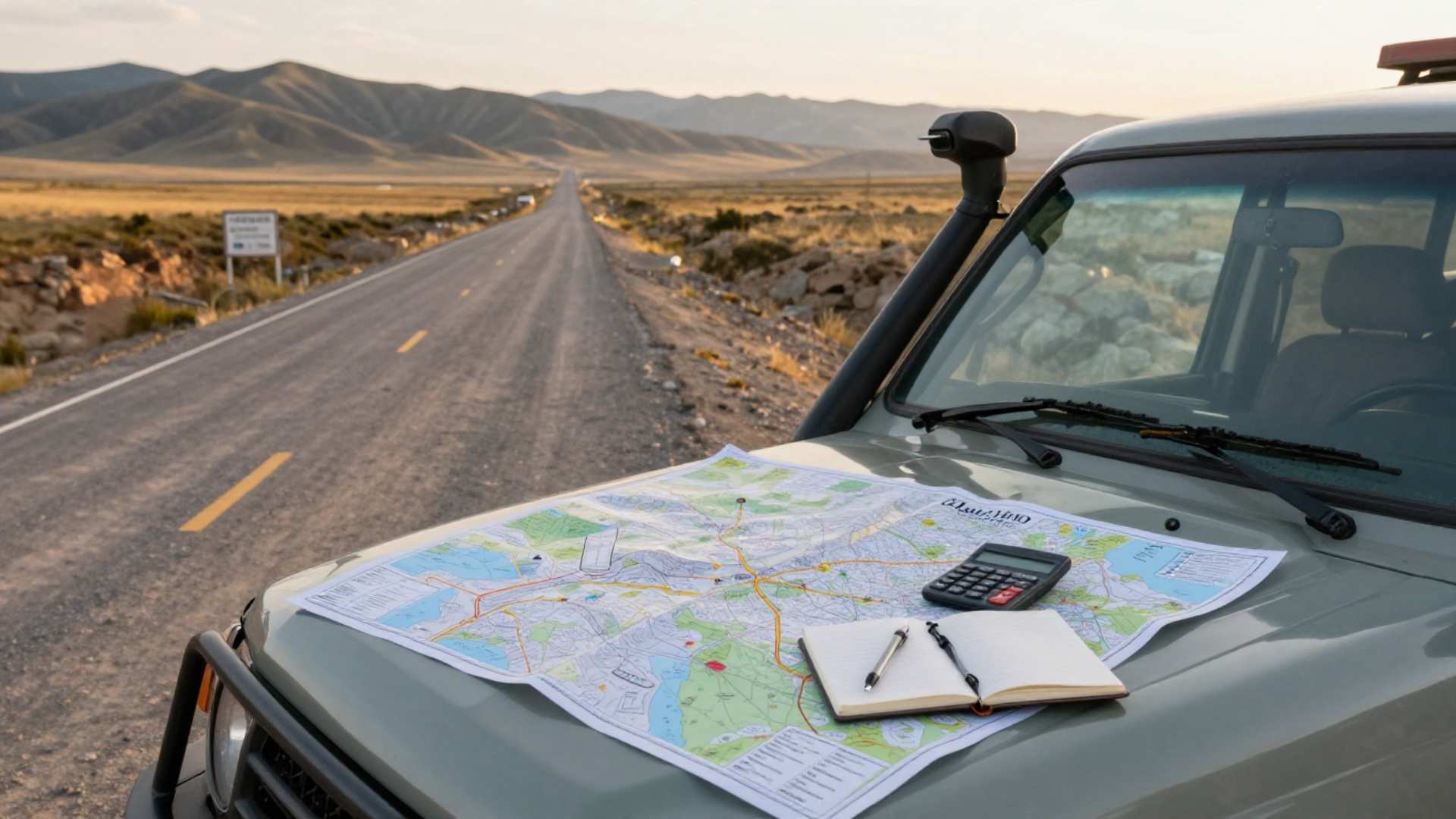
One route estimate is rarely enough. An overland journey can change because of fuel prices, ferry costs, repair needs, border delays, permit problems, weather, road closures or accommodation limits.
A cheap scenario shows the route if most things go well: fuel prices stay close to the estimate, camping or low-cost accommodation works, borders are simple, and there are no major repairs or delays.
A realistic scenario should include more space for uncertainty. Fuel may cost more in some countries, ferries may be higher than expected, a few nights may require hotels, and the vehicle may need maintenance or small repairs.
An expensive scenario is useful for testing the weak points of the route. This may include shipping delays, higher ferry costs, border waiting time, permit complications, vehicle problems, or sections where cheap sleeping options are not possible.
This is where a spreadsheet becomes useful: not to predict the future perfectly, but to compare scenarios before the route begins. A route budget is stronger when it shows what happens if the journey becomes more expensive than expected.
Common Mistakes When Estimating Overland Route Cost
The most common mistake is to count only fuel. Fuel is important, but it is only one part of the route budget.
Other common mistakes include ignoring ferries and border costs, forgetting repairs, assuming that camping is always possible, and not planning for vehicle storage, return transport or shipping. Another overlooked cost is the complete system of gear for hot, wet and roadless terrain, including waterproof packing, fast-drying clothing, suitable footwear, shelter and protected power supplies.
Prices also change by country and region. A route estimate becomes weak when it uses the same fuel, food, accommodation or repair costs for the whole journey.
Another mistake is to calculate only the total cost without separating shared vehicle costs from personal costs. Fuel, shipping or storage may be shared, while food, visas and permits usually increase with every traveler.
Finally, every serious overland budget needs an uncertainty buffer. Roads close, borders change, ferries cost more than expected, and small mechanical problems can become expensive far from a workshop.
Using a Route Cost Planner
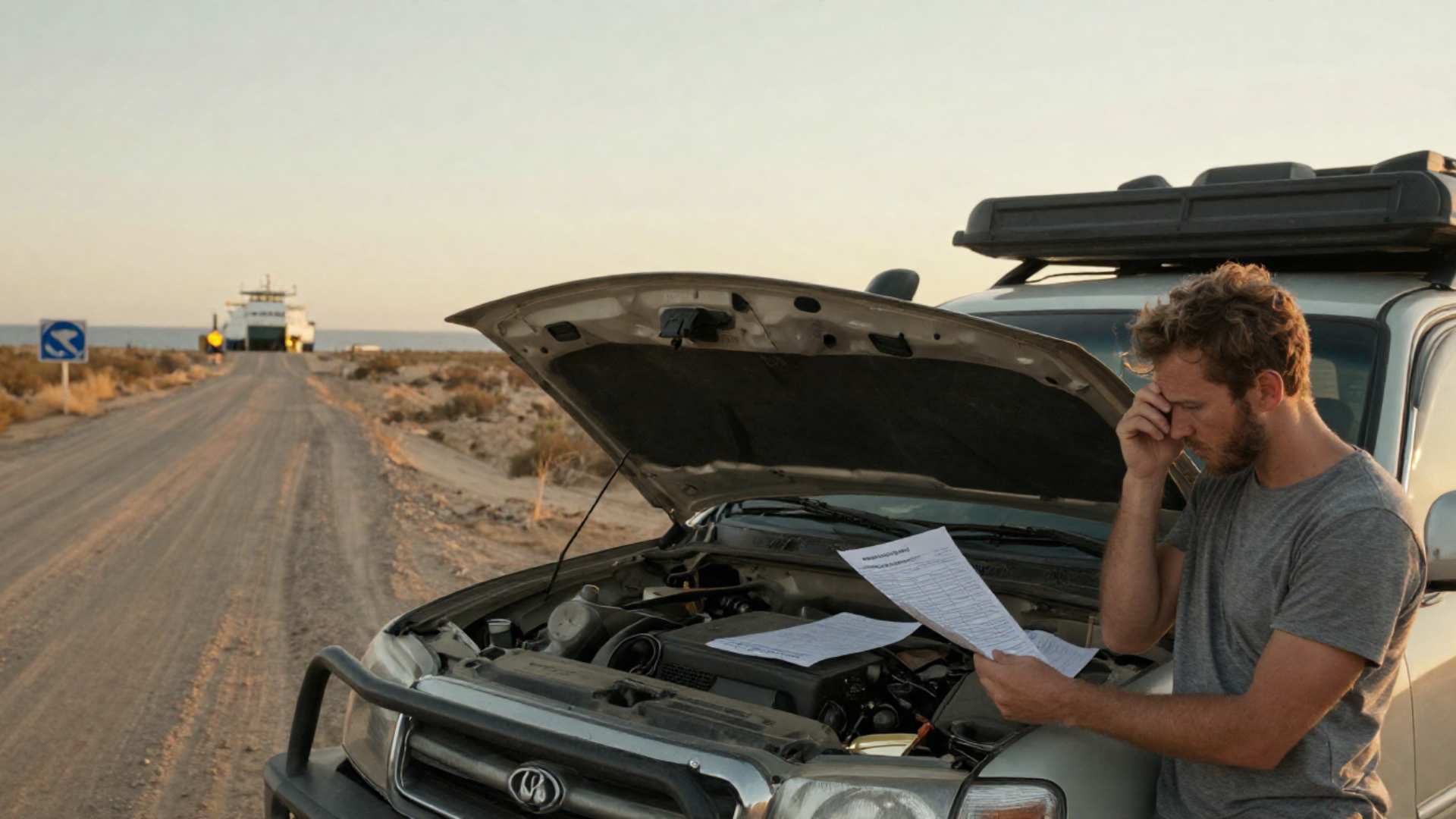
A route cost planner is useful because it keeps the different cost layers in one place. Instead of estimating fuel, ferries, accommodation, visas, repairs and shipping separately, it shows how these costs work together across the whole route.
A good planner should start with basic assumptions: route length, number of people, vehicle type, fuel consumption and travel style. From there, it should separate daily or stage costs such as food and accommodation from movement costs such as fuel, tolls, ferries and vehicle transport.
It should also leave space for less predictable costs: visas, permits, border fees, repairs, storage, vehicle shipping and uncertainty buffers. A confidence level for each stage can also help show which parts of the budget are solid and which parts are only rough estimates.
The most useful planner does not give one fixed number. It allows comparison between scenarios: cheaper, realistic and more expensive versions of the same route. This makes it easier to see where the route is affordable, where the weak points are, and where more research is needed.
For this purpose, I created the Overland Route Cost Planner Lite — a simple spreadsheet for estimating fuel, ferries, tolls, accommodation, food, border costs, repairs, shipping, storage and route uncertainty before the journey begins. You can find this planner, the free fuel calculator and future route-planning resources on the JBH Resources & Tools page.
If you want to organize these cost layers before the journey begins, you can use the Overland Route Cost Planner Lite to estimate fuel, ferries, tolls, accommodation, food, border costs, repairs, shipping, storage and uncertainty in one spreadsheet.
Get the Overland Route Cost Planner Lite
Conclusion: The Real Budget Is the Route System
The real cost of an overland route is not one number guessed in advance. It is the result of distance, terrain, borders, fuel, ferries, vehicle needs, shelter choices, resupply, route breaks and uncertainty.
A good budget does not remove uncertainty. Roads may close, prices may change, ferries may be delayed and vehicles may need repairs. But a serious route estimate shows where the weak points are before they become expensive.
The goal is not to predict every detail perfectly. The goal is to understand how the route itself creates cost, and to prepare enough flexibility before the journey begins.
Like it? Pin it here⇓! Follow us on Facebook, X and Instagram!
You may also like



Hi, we are Krasen and Ying Ying. Krasen is from Bulgaria, and Ying Ying is from China. We are passionate about geography and history, and we believe that the best way to experience it is by exploring the Earth in reality, not in a school, and not virtually.
So, we created this blog Journey Beyond the Horizon, where we share geographical knowledge, travel guides and tips how to experience it when you explore our planet, and a lot of inspiration.
And we wish you a happy journey, not just virtually, but most of all- in reality.
Enjoy!
Krasen and Ying Ying
Hi, we are Krasen and Ying Ying. Krasen is from Bulgaria, and Ying Ying is from China. We are passionate about geography and history, and we believe that the best way to experience it is by exploring the Earth in reality, not in a school, and not virtually. So, we created this blog Journey Beyond the Horizon, where we share geographical knowledge, travel guides and tips how to experience it when you explore our planet, and a lot of inspiration. And we wish you a happy journey, not just virtually, but most of all- in reality. Enjoy!

